
Genetic history of Rome
Genome sequencing of ancient remains reveals Rome as a genetic crossroads shaped by migration, trade, and empire expansion.
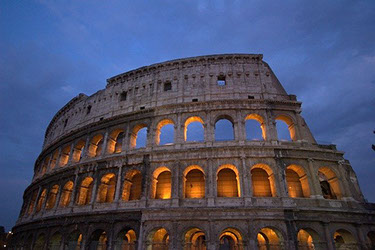
What scientists studied
Researchers sequenced DNA from 127 ancient individuals spanning the Mesolithic period through medieval times. Samples were collected from archaeological sites across Rome and central Italy.
Key findings
- Major ancestry shifts with the introduction of farming
- Near Eastern and North African gene flow during the Imperial period
- Increasing European ancestry after the fall of the empire
Why ancient DNA matters
Ancient DNA sequencing provides direct evidence of population movement and admixture that cannot be inferred from historical records alone.
Planning an ancient DNA project?
We support low-input, degraded DNA sequencing and analysis.