Amplicon sequencing
Efficient community profiling using marker genes for bacteria, archaea, fungi, and eukaryotes.
- 16S rRNA (bacteria / archaea)
- ITS (fungi)
- 18S / COI (eukaryotes & broad profiling)
MR DNA partners with scientists worldwide to decode microbial communities across human health, agriculture, and natural environments—from ant guts to deep-sea sediments.
Choose a targeted amplicon approach for efficient community profiling, or shotgun methods for functional depth and higher resolution. We’ll help you pick the right method for your question, sample type, and scale.
Efficient community profiling using marker genes for bacteria, archaea, fungi, and eukaryotes.
Capture the genetic potential of the whole community—taxonomy + function.
Measure microbial activity by sequencing expressed genes to see “who is doing what” right now.
The microbiota refers to the collection of microbes themselves (bacteria, archaea, fungi, and more) in a given environment. The microbiome refers to the collective genetic content (their genomes) of those microbes in that environment.
In practice: amplicon sequencing is often used to describe the microbiota composition, while shotgun metagenomics interrogates the microbiome (the genes and functions present).
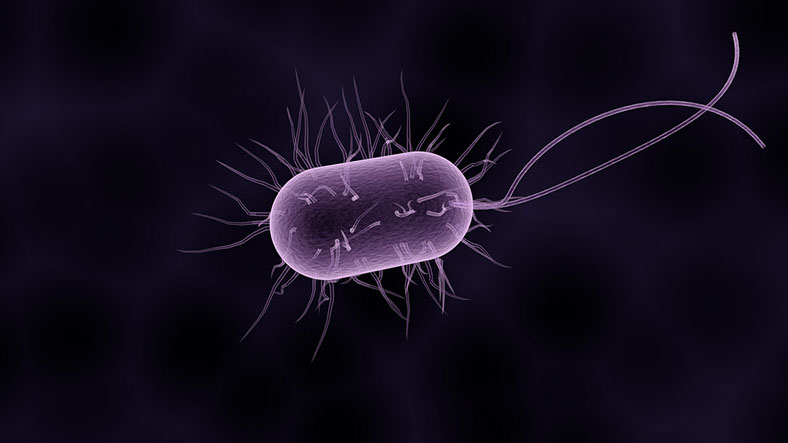
Microbial communities can be profiled by marker genes or shotgun sequencing.
A few examples of where these methods shine. If yours isn’t listed, we can still help.
Gut, skin, oral, urogenital, and site-specific microbiomes; longitudinal and intervention studies.
Soil, rhizosphere, plant-associated communities, livestock gut microbiomes, and production systems.
Water, sediment, extreme environments, wastewater, bioprocess microbiota, and bioremediation.
Novel ecosystems and “unknown unknowns” where shotgun approaches uncover functional potential and rare taxa.
Tell us your sample type, number of samples, and research question. We’ll recommend the best approach and provide a quote.